

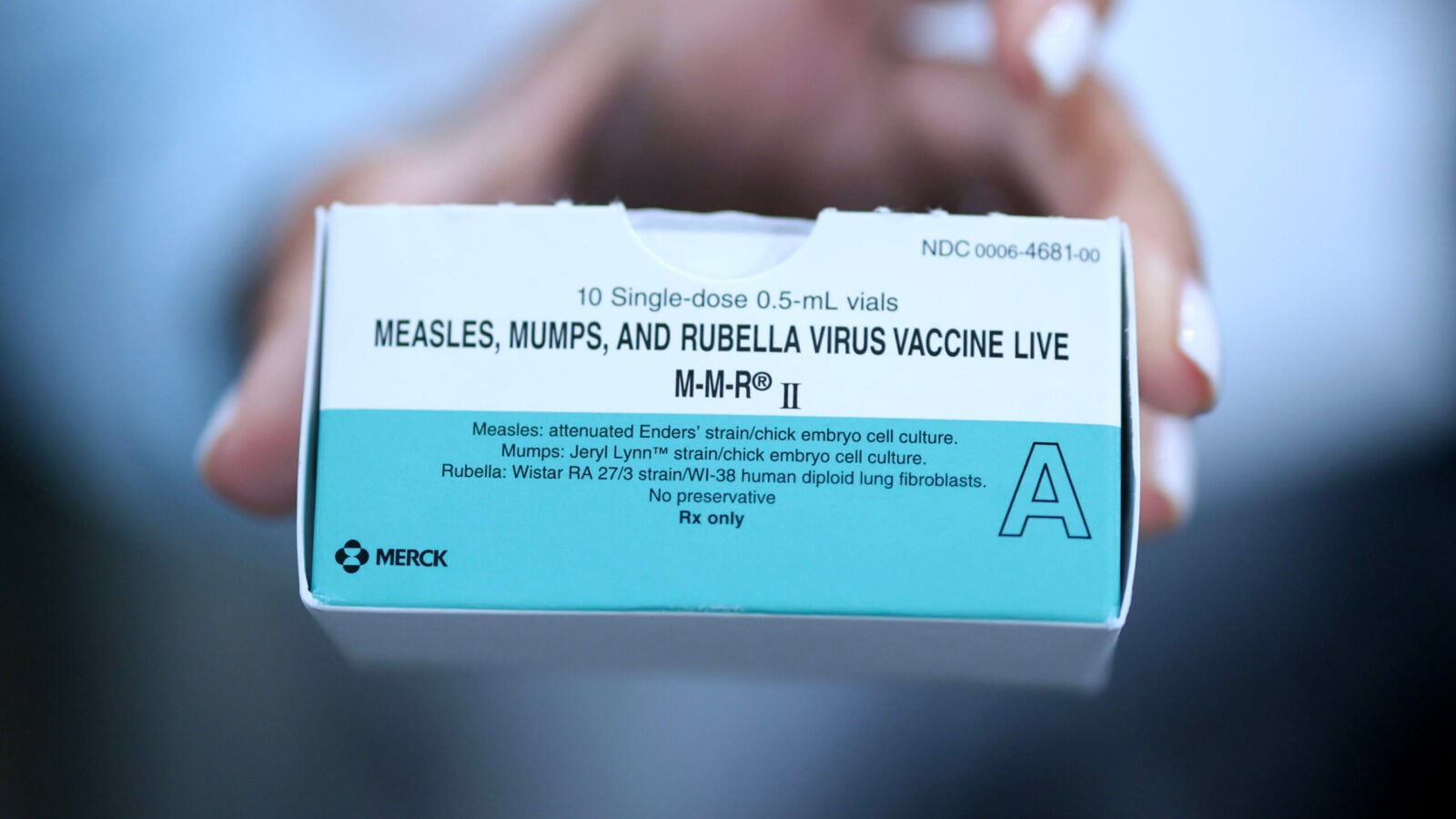
Nearly 5,200 measles cases have been reported in 2026, more than double last year’s total, putting a decades-long public health achievement at risk.
The United States could soon lose a public health distinction it has held for more than two decades, but the Centers for Disease Control and Prevention says the prospect will not change how it tackles measles outbreaks.
CDC Director Dr. Erica Schwartz told Reuters on Tuesday that the agency would continue working with state health departments, promoting vaccination and supporting efforts to contain infections even if the country loses its official measles elimination status.
A decision is expected from experts convened by the Pan American Health Organization (PAHO) in the coming days. The United States has maintained its measles-free status since 2000, but a sustained rise in infections has put that achievement at risk.
The scale of the outbreak is significant. State health departments have reported nearly 5,200 confirmed measles cases in 2026, more than twice the 2,289 recorded throughout 2025. Eleven deaths have been reported since early 2025.
Schwartz, who was confirmed as CDC director in August, said the agency’s immediate priority remains helping states communicate the risks of measles and encouraging uptake of the measles, mumps and rubella (MMR) vaccine.
She identified closely connected communities with lower vaccination rates as important sources of transmission. Some outbreaks have involved religious communities, including Amish populations in Pennsylvania.
Her comments come amid wider debate over federal vaccine policy. Health and Human Services Secretary Robert F. Kennedy Jr. has previously questioned aspects of MMR vaccination, while medical experts have warned that public doubts and declining immunisation rates could make outbreaks harder to control.
Schwartz also rejected suggestions that Kennedy or senior officials were directing her agency’s decisions. In her interview with Reuters, she said she communicates with the health secretary daily but maintains responsibility for setting the CDC’s priorities.
Losing elimination status would mark a setback for US public health, but Schwartz’s message was that the agency’s work would continue regardless of the PAHO decision.
More About:News
Weekly New Episodes
Stream Now