

June 24, 2026
It follows a March 2026 United Nations General Assembly resolution recognizing the transatlantic slave trade as a crime against humanity
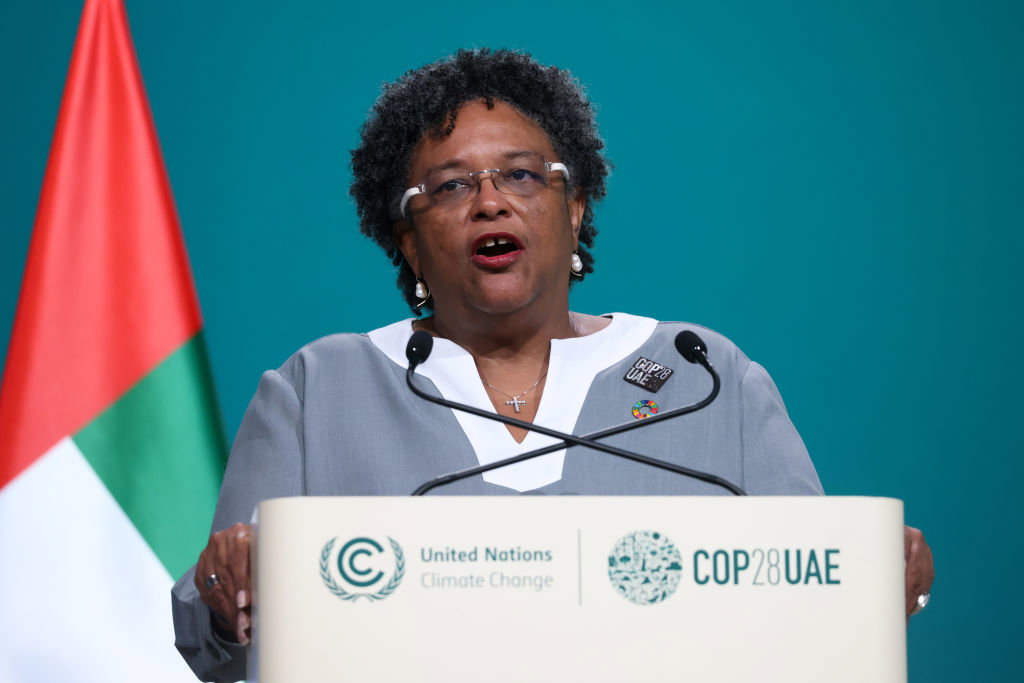
Barbados Prime Minister Mia Mottley unveiled an expanded Caribbean reparations framework in Accra, Ghana, renewing calls for compensation, formal apologies, and other measures from governments and institutions that benefited from slavery and colonialism, The Guardian reports.
The revised framework expands CARICOM‘s original 10-point reparations plan adopted in 2014, adding provisions addressing the legacy of slavery on women and girls, Indigenous genocide, climate justice, and financial compensation for descendants of enslaved Africans.
Speaking at the conference, Mottley said the gathering marked a historic moment and that there should be ‘no retreat on repair,’ emphasizing that the movement seeks to hold responsible parties accountable while pushing for healing rather than confrontation.
“We live in a world today where people call out people for everything, for misogyny, for sexual assault, for all kinds of behaviour. But yet we have not found the moral courage to state unanimously across humanity that this grave crime against humanity that persisted for centuries ought to be declared so by all.”
A post shared by John Dramani Mahama (@officialjdmahama)
Under the draft plan, CARICOM is seeking redress from governments, monarchies, churches, corporations, and other entities linked to the transatlantic slave trade, including formal apologies, education initiatives, and workforce development programs, though it does not specify a dollar figure.
It follows a March 2026 United Nations General Assembly resolution recognizing the transatlantic slave trade and chattel slavery as a crime against humanity, which received support from 123 countries.
Caribbean and African leaders adopted a broader 19-point global reparations framework in Accra, signaling increased coordination on demands for historical accountability and reparatory justice.
Caribbean leaders have long argued that European powers and institutions that benefited from centuries of forced labor and colonial extraction have a continuing responsibility to address the economic and social consequences.
Mottley, who has emerged as a leading voice in the global reparations movement, has previously called for coordinated international mechanisms to advance reparatory justice through legal, financial, and educational channels.
The framework is expected to be further discussed at upcoming regional and international forums as governments weigh next steps on reparations policy.
RELATED CONTENT: Caribbean Reparations Leaders Launch First-Ever UK Mission To Press Historic Claims
© 2026 Black Enterprise. All Rights Reserved.