

[ad_1]
What a time it is for African-Americans to be represented in
comic book movies, today’s most popular film genre. The ending of Avengers Endgame strongly suggests the
next Captain America will be Black,while Black Panther remains the highest-grossing solo superhero movie ($1,346,913,161 globally). On the DC side, its
most popular movie character is Aquaman ($1,147,761,807 globally), portrayed by a person
of color (Jason Momoa), so that has to count for something.
Does this mean African-Americans are being represented
fairly these days in comic book movies (or Hollywood, for that matter)?
That’s a complicated question that requires a sense of
context by understanding the history and evolution of the Black comic book
hero. To understand this complexity, we surveyed more than 500 African-Americans
to gauge their perceptions, attitudes and overall opinions on the subject of
Black superheroes. The research reveals that, when it comes to African-American
being well-represented in comic book movies, 39 percent of the respondents
agree and 42 percent disagree. However, 80 percent of the respondents claim
they presently or have in the past read comic books. Although this is a
surprisingly high number, it is not odd, considering that Black Panther
was a nationwide cultural phenomenon.
Yes, it’s complicated, s a historical journey to understand the Black superhero and its impact on American culture.
The First Black Superpower
African-Americans appeared widely in 20th-century
comic books as both sidekicks and heroes, under such brands as All-Negro Comics
and Timely Comics. The world wouldn’t see its first Black superhero, however,
until July 1966, in an issue of Marvel’s Fantastic
Four (#52).
That was Black Panther.
Created by Stan Lee and Jack Kirby, the comic book about
T’Challa, king of the Africa nation Wakanda, aka “Black Panther,” wasn’t a big
seller. The character, however, was broadly accepted along with other
minorities in Marvel’s continual multicultural rollout throughout the decades
(inclusivity and social causes were always part of Lee’s visionary marketing).
What’s more, Black Panther served two important purposes, according to an article by Noel Murray in The Week:
- Becoming a cultural icon for the burgeoning Black Power
movement (and later the Black middle class); and - Presenting a well-rounded character instead of a
two-dimensional trope, which would set the tone for future Black and other
minority characters.
Three years after Black Panther’s debut, Marvel introduced Falcon
(today’s new Captain America in his film version, as mentioned). DC
would shortly follow suit when Kirby switched companies and created Black Racer
for his series New Gods (1971),
followed by the introduction of John Stewart, an architect who becomes Hal
Jordan’s new backup Green Lantern (1972). (Murray explains that Stewart
was far from a well-rounded character, falling into the “angry Black man”
trope.)
No Black superhero starred in his own mainstream comic title
until 1972 when Luke Cage debuted for Marvel in Luke Cage, Hero for Hire. As for DC, its first Black superhero
series was Black Lightning in 1977.
According to the EBONY/QuestionPro study, Black Panther is
the most popular Black male superhero (50 percent); Blade comes in second (15
percent). Superman, the American dream archetypal image, is African-Americans’ favorite
non-Black superhero.
Interestingly, neither Black Panther nor any of the other characters
above is the highest-selling Black comic book subject. That achievement falls
to another character whose story adds to the complex history of Black
superheroes.
The Trojan Horse Superhero
According to various comic book sales statistics, Spawn is one of the best-selling comic
books in history. Having sold more than 150 million copies is impressive on its own, but
even more so considering Spawn
debuted in 1992, long after other megaselling superheroes such as Superman,
Batman and Spider-Man.
Created by Todd McFarlane for Image Comics, the
character Spawn has always been an unusual figure, more of a demonic mercenary
than a traditional caped crusader. What’s fascinating is that McFarlane didn’t
reveal to readers that his masked antihero was African-American until the
series was in full swing and already a runaway success. The “content of the
character” was sold first—in the form of Spawn’s origin story, personality and
powers—then his skin color was revealed to geekdom. Spawn remained hugely successful for years, even if its 1997 film
adaptation was tepidly received (but it should be noted that Michael Jai White,
who played Spawn, became the first African-American to portray a
comic book superhero in a major motion picture).
One could argue that the edgy and visceral Spawn brand would pave the way for the
huge success of Wesley Snipes in the Blade
trilogy (which has grossed more than $600 million globally, an impressive
feat for an R-rated franchise). If you add to this the box office success of
Will Smith’s Hancock (2008) and
Laurence Fishbourne’s iconic portrayal of Morpheus in The Matrix trilogy, then it’s no surprise Black Panther would
engage the interest of all races once he appeared in film.
It seems Black Panther has come full circle as both an
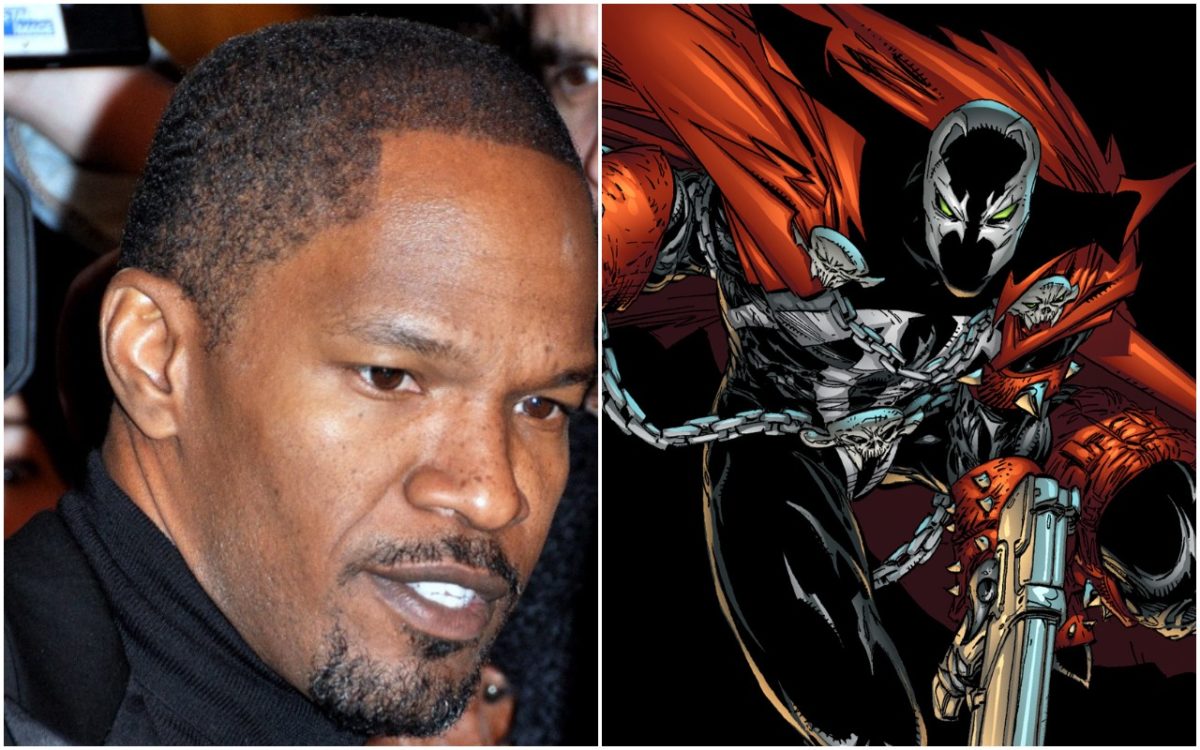
American and Black icon, but we shall see if the Spawn film reboot with Oscar winner Jamie Foxx can
take it even higher.
Without a doubt, Black superheroes have come along way,
using various means, but there is still a major problem: The Black female
superhero.
Only One Storm
Despite the breakthrough and scene-stealing performances of
Danai Gurira (Okoye) and Lupita Nyong’o (Nakia) in Black Panther or Zazie Beetz (Domino) in Deadpool 2, Black female superheroes have been grossly underrepresented
in all media.
The most recognized and popular female Black superhero would
be Ororo Munroe as Storm. She was part of a wider Black superhero rollout in
the late’70s and early’80s that included Cyborg, Deathlok and Blade, and she
even became the eventual leader of the X-Men. As far as the successful X-Men
film franchise, both Halle Berry and Alexandra Shipp’s portrayals of Storm were
received with mixed results.
Results from our study show Storm is easily the most popular Black female superhero (47 percent), followed by Bumblebee (7percent), Nubia (6 percent) and Vixen (6 percent). If you include all other Black female superheroes ever created for comic books, only Storm has appeared in a movie adaptation. There are no plans for a Nakia or Domino origin-story film, although Jurnee Smollett-Bell will be playing Black Canary in DC’s upcoming Birds of Prey.
In short and for the most part, Black female superheroes are
still stuck somewhere in the early ’60s when it comes to wide representation.
Mirror, Mirror on the Black Wall
Black superheroes were a reaction and action to their
specific eras, a reflection of African- American culture and struggles as well
as a looking glass into hopeful futures.
Black Panther appeared at a time of turmoil and civil rights
battles, followed by other gritty characters such as the urban Luke Cage. The
principled-but-disabled Cyborg and the immigrant mutant Storm are apt
representations of African-Americans during the Reagan era; Spawn is the
culmination of a wrathful force against an oppressive society in the early and
mid-’90s (remember the Los Angeles and St. Petersburg riots?). Blade can be
seen as the African- American fight against the vampiric forces of police
brutality and mass incarceration during the Bush and Clinton presidencies.
Black Panther in his film incarnation is the return of ’60s activism in the
#BlackLivesMatter era as well as the symbol of what is best and noble in
African-Americans.
Beyond this Jungian speculation, one must admit Black
superheroes have been successful with regard to comic book and movie ticket
sales. The dollars made by Spawn, Blade and Black Panther don’t lie. The path has been uneven and even murky;
however, it has certainly created role models and epic stories that cut across
all demographics.
But there is much ground to be made (especially with Black
women). The success of African- Americans in comic book movies has not bled
into the perception Blacks have of Hollywood’s portrayal of them. As
illustrations, the study further finds that:
- 83 percent of respondents agree African-Americans are
stereotyped in film or television; - 59 percent agree that African-Americans are cast for no
other reason but to add diversity; and - 71 percent agree that African Americans get killed off
more/earlier than other characters.
There is no caped crusader coming to change this, but there is the creativity of writers and artists who take risks to capture the zeitgeist of our culture, imperfectly bringing hope to Black children’s imaginations.
Rudly Raphael is president of research and insight for QuestionPro. He has more than 15 years of experience in the market research industry, implementing primary and secondary research for a number of high-profile clients. Raphael is also a frequent blogger and has published a number of articles on various topics.
[ad_2]
Source link