

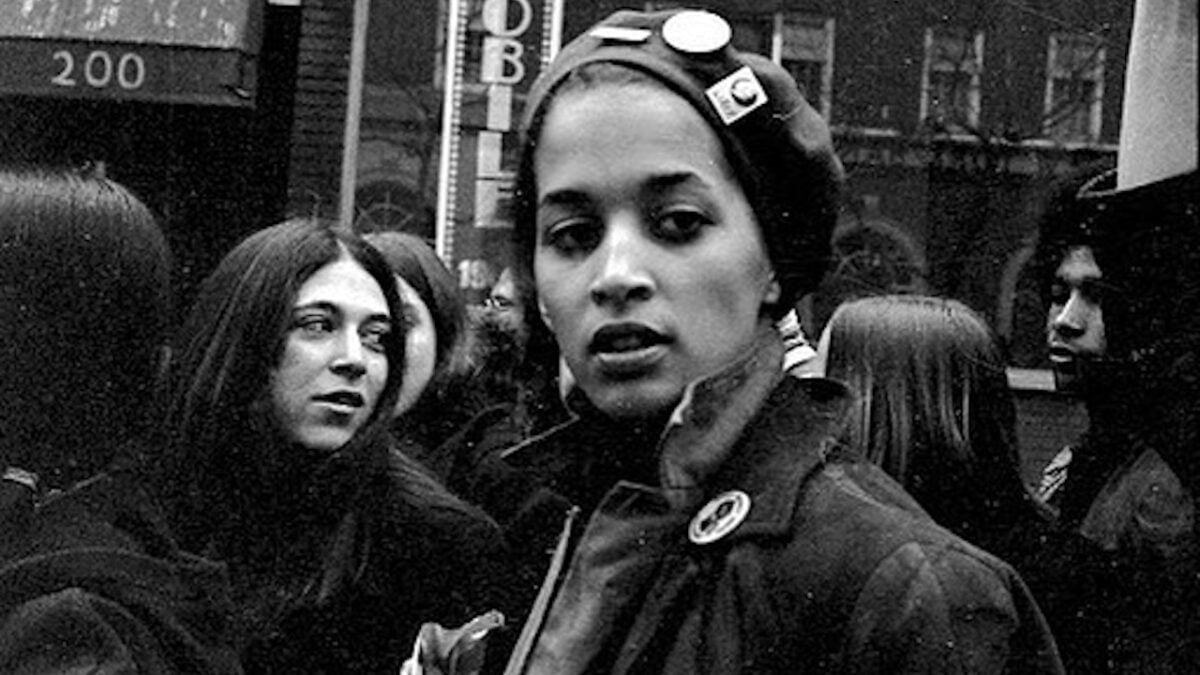
A life built on activism and advocacy, Velez will be remembered for inspiring thousands with her writings, scholarship and role as an educator.
Denise Oliver-Vélez, a lifelong activist whose fearlessness helped shape two of the most iconic revolutionary movements of the 20th century, has died at the age of 78. A central figure in the civil rights struggles of the 1960s and 1970s, Oliver-Vélez broke barriers as the first woman elected to the Central Committee of the Young Lords, the radical Puerto Rican human rights group modeled on the Black Panther Party, to which she also belonged.
Her impact was chronicled by Democracy Now!, where founding Young Lords member Juan González, who worked alongside her, reflected on a life that reached far beyond her early activism. “It’s impossible really to overstate the impact that Denise had,” González said, describing her as a brilliant and articulate force who went on to inspire thousands of young people through her writings, scholarship and teaching for decades.
A post shared by Maria Isa (@mariaisasotarico)
Within the Young Lords, Oliver-Vélez rose to the top leadership ranks, first as minister of finance and later of economic development. According to González, she helped build many of the group’s Serve the People programs, shaped its key literature, and played a pivotal role in producing both its newspaper, Palante, and its weekly radio program on WBAI.
Alongside Iris Morales, she also co-founded the organization’s Women’s Caucus, which confronted the oppression of women both in society and within the movement itself.
Her radicalism was rooted in family. González noted that both of Oliver-Vélez’s parents moved in left-wing activist circles, with her father, a Tuskegee Airman turned professor, introducing her early to towering figures of the era. She attended Howard University alongside Rap Brown and crossed paths with the likes of Fannie Lou Hamer, Amiri Baraka and Sonia Sanchez.
Beyond her organizing, Oliver-Vélez carved out further firsts, becoming the first Black female program director in public radio and later teaching at SUNY New Paltz. She also spent two decades as a contributing editor at Daily Kos, where her influence loomed so large that editors reportedly weighed major decisions by asking what she would think.
González remembered her willingness to tell comrades “what they needed to hear, not what they wanted to hear,” always delivered “with love and kindness.” Reflecting on her passing, he called her legacy “immeasurable,” adding, “We’re all better for having known her.”
More About:News
Weekly New Episodes
Stream Now