

April 14, 2026
Check out the top 10 most influential Motown hits
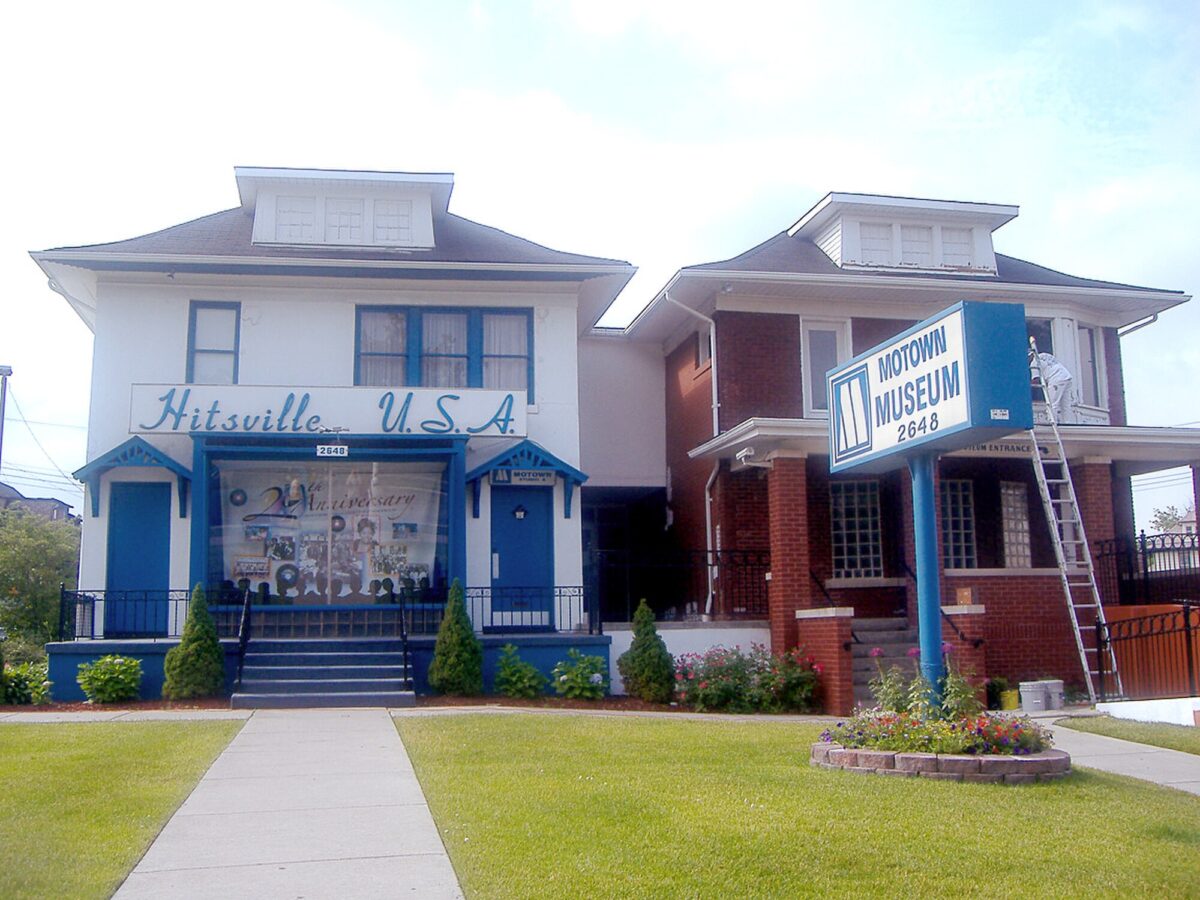
It is incredible to look back at how Berry Gordy Jr.’s vision, starting on April 14, 1959, fundamentally integrated the American airwaves. That vision rendered a historic sound engineered by Motown Records, headquartered at Hitsville recording studio located at 2648 West Grand Boulevard in Detroit, Michigan. Key songwriters for the label in its heyday were Ashford & Simpson, Holland–Dozier–Holland, and the incomparable Smokey Robinson.
Motown’s success was not just artistic; it was a statistical powerhouse. At its peak in the 1960s, the label had a “hit ratio” (the percentage of records released that made the charts) of nearly 75%, whereas the industry average was closer to 10%. By the end of the 1960s, Motown was the largest Black-owned enterprise in the United States, grossing $20 million annually by 1966 (equivalent to over $190 million today).
This was the spark that ignited the Motown Sound on a national scale. It became the label’s first No. 1 on the Billboard Hot 100, proving that a Black female group from Inkster, Michigan, could dominate the pop charts.
The Supremes are statistically the most successful American vocal group of all time. “Baby Love” was the second of 12 No. 1 hits they would achieve, a record for any American group that still stands.
A Top 10 hit that evolved from a summer party anthem into a cultural touchstone. Recorded at Hitsville U.S.A., it became an unofficial rallying cry for the Civil Rights movement.
Written and produced by Smokey Robinson, this became The Temptations’ signature song and their very first No. 1 hit, defining the “romantic soul” genre.
Often cited by critics as one of the most perfectly written songs in history, this track exemplified Motown’s shift toward introspective, sophisticated songwriting.
A global No. 1, this track utilized the operatic, commanding vocals of Levi Stubbs to cement Motown’s dominance on the international charts and the UK music scene.
Marvin Gaye’s version stayed at No. 1 for seven weeks and became Motown’s biggest-selling single of the 1960s, showcasing a darker, more cinematic production style.
This debut single sold 2 million copies in just six weeks. It kicked off a historic run where their first four singles all reached No. 1—a feat never before accomplished by any group.
This sweeping, orchestral production solidified Diana Ross’s status as a solo superstar after she departed from The Supremes, reaching No. 1 and becoming an enduring pop anthem.
Widely regarded as one of the greatest albums of all time, it was only the third album in history to debut at No. 1 on the Billboard 200 and won the Grammy for Album of the Year.
RELATED CONTENT: Berry Gordy Featured on PBS For Black History Month
© 2026 Black Enterprise. All Rights Reserved.